- Home
- About Us
- Orthopaedics / Joint Replacement
- Joint Replacement
- Sports Injury / Arthroscopy
- Trauma Fracture and Management
- Knee
- Hip
- Spine
- Shoulder & Humerus
- Elbow & Radius + Ulna
- Wrist & Hand
- Ankle & Foot Care
- Arthritis Management
- Paediatric Orthopaedics
- Pelvis & Acetabulum Fractures
- General Surgery
- Obstetrics & Gynaecology
- General Medicine
- Dermatology & Aesthetics
- ENT
- Contact Us

Wrist & Hand – Trauma & Fracture Management
Wrist and hand trauma is among the most common orthopedic injuries, often caused by falls, road accidents, sports injuries, or workplace incidents. These injuries can involve fractures (broken bones), ligament tears, tendon injuries, or joint dislocations—and may significantly impact daily activities and hand function if not treated properly.
Prompt and appropriate treatment is essential for preserving grip strength, dexterity, and joint mobility.
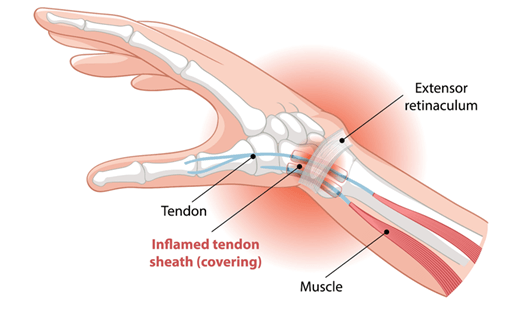
Common Types of Wrist & Hand Fractures:
- Distal Radius Fracture: Break in the larger forearm bone near the wrist (very common)
- Scaphoid Fracture: A small wrist bone prone to injury during falls
- Metacarpal Fractures: Fractures of the hand bones between the wrist and fingers
- Phalangeal Fractures: Broken finger or thumb bones
- Carpal Bone Fractures: Breaks in the small bones within the wrist
- Dislocations: Bones forced out of their normal alignment, often seen in joints like the thumb or fingers
- Crush Injuries: Often involve both soft tissue and bone damage
Symptoms of Wrist & Hand Trauma:
- Sharp pain and swelling at the injury site
- Bruising or visible deformity
- Inability to move the wrist or fingers normally
- Numbness, tingling, or weakness (if nerves are affected)
- Difficulty gripping or holding objects
- Tenderness to touch or pressure
Do’s After a Wrist or Hand Injury
- Elevate the hand to reduce swelling
- Keep the cast/splint dry and clean
- Follow up regularly for imaging and healing checks
- Perform rehabilitation exercises as prescribed
- Inform your doctor about any numbness, tingling, or increased pain
- Return to activity gradually under guidance
Don’ts After a Wrist or Hand Injury
- Don’t lift heavy objects or bear weight on the injured hand
- Avoid wetting the cast or disturbing the splint
- Don’t delay treatment if you suspect a fracture
- Avoid self-removing splints or supports
- Don’t skip physiotherapy—it is crucial for full recovery