- Home
- About Us
- Orthopaedics / Joint Replacement
- Joint Replacement
- Sports Injury / Arthroscopy
- Trauma Fracture and Management
- Knee
- Hip
- Spine
- Shoulder & Humerus
- Elbow & Radius + Ulna
- Wrist & Hand
- Ankle & Foot Care
- Arthritis Management
- Paediatric Orthopaedics
- Pelvis & Acetabulum Fractures
- General Surgery
- Obstetrics & Gynaecology
- General Medicine
- Dermatology & Aesthetics
- ENT
- Contact Us

External Fixators
External fixation is a temporary surgical technique used to stabilize severe fractures of the shoulder and humerus (upper arm bone). This method involves the use of metal pins or wires inserted into the bone, connected externally to a rigid frame that holds the fracture in proper alignment during the healing process.
External fixators are typically used in complex, open, infected, or severely comminuted fractures, or when the soft tissues around the shoulder are too damaged for immediate internal fixation like plating or nailing.
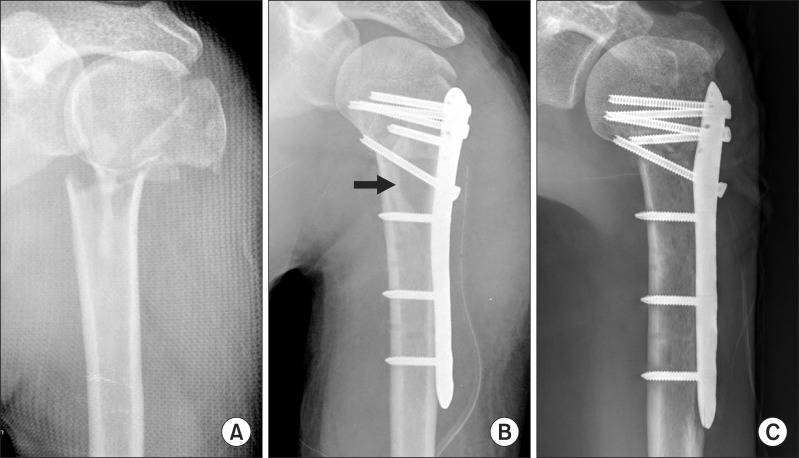
When is External Fixation of the Shoulder/Humerus Used?
- Open or compound fractures with exposed bone
- Severe soft tissue injury around the shoulder or arm
- Fractures with bone loss or infection
- Polytrauma patients needing temporary stabilization
- In cases where immediate internal fixation is not feasible
Procedure Overview:
- Clinical Evaluation & Imaging: The orthopedic team evaluates the injury using X-rays or CT scans to determine the need for external fixation.
- Anesthesia: Performed under local, regional, or general anesthesia depending on patient condition and injury severity.
- Pin Insertion & Frame Assembly:Metal pins are placed through the skin into the bone above and below the fracture. These pins are connected to an external frame that maintains alignment and stability.
- Post-Operative Care & Monitoring: The fixator remains in place for several weeks to months until the bone heals or is ready for definitive fixation. Regular cleaning of pin sites is crucial.
Do’s After External Fixator Application
- Clean pin sites daily as per medical advice to prevent infection
- Keep the external frame dry and protected
- Follow your doctor’s guidelines on arm movement and positioning
- Attend regular follow-ups for frame adjustments or dressing changes
- Begin physiotherapy as advised to prevent stiffness
- Notify your surgeon if you notice swelling, discharge, or unusual pain
Don’ts After External Fixator Application
- Do not bump, twist, or apply force to the external frame
- Avoid soaking the fixator in water—no swimming or bathing until cleared
- Do not skip wound care or pin cleaning
- Avoid lifting heavy objects or bearing weight with the affected limb
- Don’t ignore signs of infection such as redness, warmth, or fever
- Do not self-adjust or tamper with the fixator