- Home
- About Us
- Orthopaedics / Joint Replacement
- Joint Replacement
- Sports Injury / Arthroscopy
- Trauma Fracture and Management
- Knee
- Hip
- Spine
- Shoulder & Humerus
- Elbow & Radius + Ulna
- Wrist & Hand
- Ankle & Foot Care
- Arthritis Management
- Paediatric Orthopaedics
- Pelvis & Acetabulum Fractures
- General Surgery
- Obstetrics & Gynaecology
- General Medicine
- Dermatology & Aesthetics
- ENT
- Contact Us

Arthritis
Shoulder and humerus arthritis refers to the degeneration or inflammation of the shoulder joint, especially where the humerus (upper arm bone) meets the glenoid cavity of the scapula. This condition leads to pain, stiffness, reduced range of motion, and difficulty performing daily activities such as lifting or reaching overhead.
Arthritis in this area may affect both the glenohumeral joint (ball-and-socket) and the acromioclavicular (AC) joint. Over time, cartilage wears down, causing the bones to rub against each other and resulting in inflammation and discomfort.
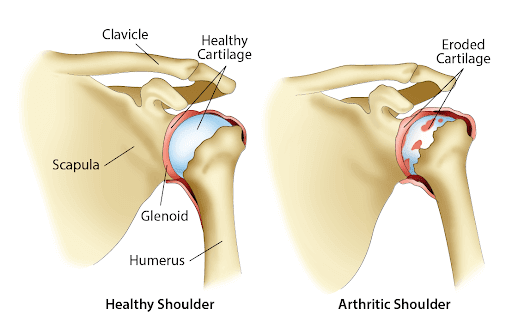
Causes of Shoulder & Humerus Arthritis:
- Age-related wear and tear (osteoarthritis)
- Previous shoulder injuries (dislocation or fracture of humerus)
- Rotator cuff tears leading to cuff tear arthropathy
- Rheumatoid or autoimmune arthritis
- Post-traumatic arthritis
- Repetitive overhead activity or strain
- Genetic predisposition to joint degeneration
Symptoms:
- Dull or aching pain in the shoulder joint
- Stiffness, especially in the morning or after inactivity
- Grinding, clicking, or catching sensation with movement
- Difficulty lifting the arm, especially overhead
- Swelling or tenderness around the joint
- Weakness or reduced function in the shoulder and arm
Do’s for Managing Shoulder Arthritis
- Engage in gentle range-of-motion and strengthening exercises
- Use hot or cold packs to manage pain and inflammation
- Sleep in a supportive position, avoiding pressure on the affected shoulder
- Follow your orthopedic specialist’s advice and prescribed medications
- Maintain good posture and ergonomics
Don’ts for Shoulder Arthritis
- Avoid repetitive overhead movements or heavy lifting
- Don’t ignore persistent shoulder pain or limited mobility
- Avoid poor sleeping positions that put pressure on the shoulder
- Don’t skip physical therapy or exercise routines
- Avoid smoking and unhealthy lifestyle habits that affect bone and joint health