- Home
- About Us
- Orthopaedics / Joint Replacement
- Joint Replacement
- Sports Injury / Arthroscopy
- Trauma Fracture and Management
- Knee
- Hip
- Spine
- Shoulder & Humerus
- Elbow & Radius + Ulna
- Wrist & Hand
- Ankle & Foot Care
- Arthritis Management
- Paediatric Orthopaedics
- Pelvis & Acetabulum Fractures
- General Surgery
- Obstetrics & Gynaecology
- General Medicine
- Dermatology & Aesthetics
- ENT
- Contact Us

Elbow – Joint Replacement
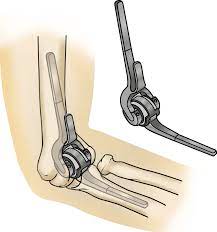
Elbow Joint Replacement, also known as Total Elbow Arthroplasty, is a surgical procedure where the damaged parts of the elbow joint are removed and replaced with artificial components (prosthesis). It is typically recommended for patients with severe joint damage, chronic pain, or loss of elbow function due to arthritis, fractures, or failed previous surgeries.
This procedure restores mobility, stability, and pain-free movement, helping patients regain independence in daily activities.
Who Needs Elbow Joint Replacement?
- Severe rheumatoid arthritis or osteoarthritis affecting the elbow
- Complex or unrepairable elbow fractures, especially in elderly patients
- Post-traumatic arthritis (after previous injuries)
- Elbow joint destruction due to bone tumors or infections
- Failed prior elbow surgeries or implants
Benefits of Elbow Replacement:
- Significant pain relief
- Improved joint movement and arm function
- Correction of deformities or instability
- Long-lasting joint support for daily activities
- Improved quality of life
Procedure Overview:
- Pre-Surgical Evaluation: Imaging (X-rays, CT scans), blood tests, and physical exam help assess joint damage and plan the surgery.
- Anesthesia: Usually performed under general or regional (nerve block) anesthesia.
- Surgical Steps: The damaged joint surfaces are removed and replaced with a metal and plastic hinge-like prosthesis that mimics the natural movement of the elbow.
- Closure & Recovery: The wound is closed, and the arm is supported in a splint or sling. Recovery begins with gradual movement and physiotherapy.
Do’s After Elbow Joint Replacement
Keep your arm supported and elevated
Follow wound care and hygiene instructions
Begin gentle physiotherapy as advised
Take medications as prescribed
Attend all follow-up and X-ray appointments
Use your hand for light activities as healing progresses
Don’ts After Elbow Joint Replacement
- Do not lift heavy objects (typically >2-5 kg, lifelong restriction may apply)
- Avoid pushing, pulling, or twisting actions with the operated arm
- Don’t get the wound wet until fully healed
- Don’t skip exercises or physiotherapy
- Avoid smoking and alcohol during recovery
- Don’t ignore pain, swelling, or signs of infection