- Home
- About Us
- Orthopaedics / Joint Replacement
- Joint Replacement
- Sports Injury / Arthroscopy
- Trauma Fracture and Management
- Knee
- Hip
- Spine
- Shoulder & Humerus
- Elbow & Radius + Ulna
- Wrist & Hand
- Ankle & Foot Care
- Arthritis Management
- Paediatric Orthopaedics
- Pelvis & Acetabulum Fractures
- General Surgery
- Obstetrics & Gynaecology
- General Medicine
- Dermatology & Aesthetics
- ENT
- Contact Us

K-wire Fixation
K-wire fixation, also known as Kirschner wire fixation, is a minimally invasive orthopedic surgical technique used to stabilize fractures or dislocations of small bones. It involves the insertion of thin, smooth stainless-steel pins (called K-wires) through the skin into the bone to hold bone fragments in place during the healing process.
K-wires are commonly used in cases involving:
- Finger, hand, or wrist fractures
- Forearm or elbow injuries
- Ankle and foot fractures
- Pediatric fractures
- Temporary joint stabilization during complex surgeries
Depending on the injury and treatment plan, K-wires may either be buried under the skin or left protruding slightly for easy removal later.
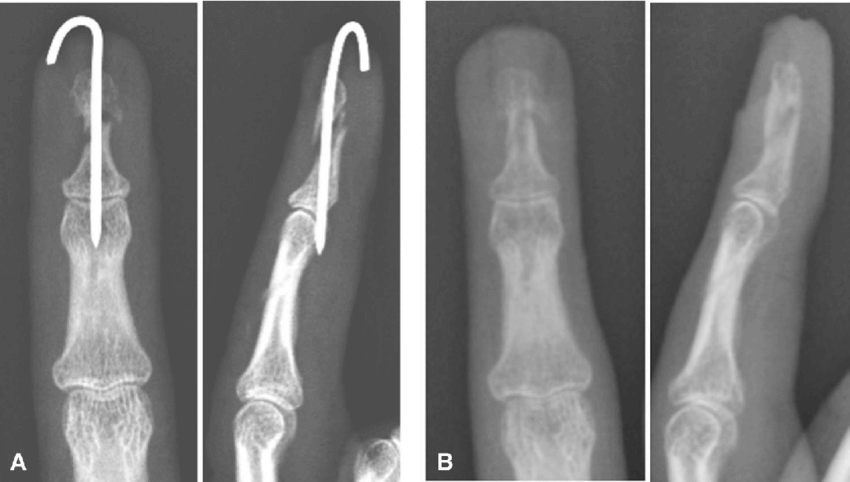
The K-wire fixation procedure generally follows these steps:
- Assessment and Planning: The orthopedic surgeon assesses the fracture using X-rays or imaging scans to determine the best approach for stabilization.
- Anesthesia: Local, regional, or general anesthesia is administered depending on the site and complexity of the fracture.
- Wire Insertion:One or more K-wires are inserted percutaneously (through the skin) into the fractured bone fragments to hold them in correct alignment.
- Stabilization: A cast or splint may be applied externally to support healing and prevent wire movement.
- Post-operative Care: The wires remain in place until the bone has sufficiently healed—usually between 3 to 6 weeks—after which they are removed in a clinical setting.
Do’s for K-wire Fixation
- Keep the wound area clean and dry o avoid infection.
- Cover exposed wires (if any) with a sterile dressing as advised by your doctor.
- Follow your surgeon’s instructions on limb positioning, movement restrictions, and medications.
- Attend all follow-up appointments to monitor healing and ensure correct wire positioning.
- Inform your doctor immediately if you notice any signs of infection (redness, swelling, fever, or discharge).
- Rest the affected area and avoid pressure or sudden movements that may displace the wires.
Don’ts for K-wire Fixation
- Do not touch, pull, or tamper with protruding K-wires.
- Avoid soaking the affected area (no baths, swimming, or wet dressings) unless permitted by your doctor.
- Do not skip follow-up visits—timely removal of the K-wire is crucial.
- Avoid lifting heavy objects or using the affected limb for any strenuous activities.
- Don’t ignore unusual pain, fever, or foul-smelling discharge—these could indicate infection or complications.