- Home
- About Us
- Orthopaedics / Joint Replacement
- Joint Replacement
- Sports Injury / Arthroscopy
- Trauma Fracture and Management
- Knee
- Hip
- Spine
- Shoulder & Humerus
- Elbow & Radius + Ulna
- Wrist & Hand
- Ankle & Foot Care
- Arthritis Management
- Paediatric Orthopaedics
- Pelvis & Acetabulum Fractures
- General Surgery
- Obstetrics & Gynaecology
- General Medicine
- Dermatology & Aesthetics
- ENT
- Contact Us

Endoscopic Disc Removal
Endoscopic Disc Removal, also known as Endoscopic Discectomy, is a minimally invasive spine surgery used to remove herniated or bulging disc material that is compressing a spinal nerve. This technique uses an endoscope (a tiny camera) and specialized surgical instruments inserted through a very small incision, allowing the surgeon to see and treat the problem with minimal tissue disruption.
It is commonly performed to relieve symptoms like sciatica, leg or arm pain, numbness, or weakness caused by nerve compression.
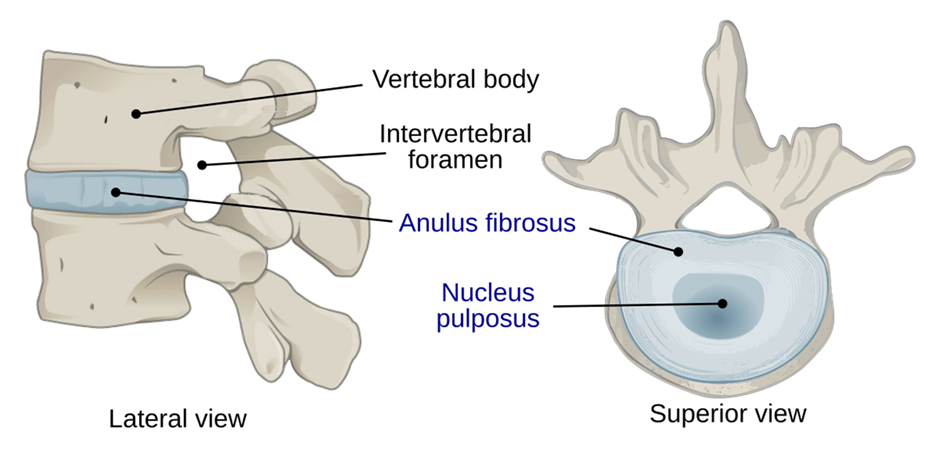
Procedure Overview:
- Preoperative Imaging (MRI/CT scan) confirms disc location
- Local or regional anesthesia is often used (general in some cases)
- A small incision is made near the affected disc area
- A hollow tube and endoscope are inserted to reach the disc
- The surgeon removes the herniated disc fragment pressing on the nerve
- The incision is closed with one or two stitches or surgical tape
Do’s After Endoscopic Disc Removal
- Start walking as soon as advised (usually same day)
- Follow proper wound care and dressing instructions
- Perform gentle back exercises as recommended
- Attend physiotherapy or rehabilitation if prescribed
- Maintain good posture and avoid sitting for long periods early on
Don’ts After Surgery
- Avoid lifting heavy objects for a few weeks
- Don’t bend or twist your spine unnecessarily
- Avoid strenuous physical activity until cleared by your doctor
- Don’t ignore warning signs like fever, excessive pain, or numbness
- Do not miss your follow-up appointments